Which Best Describes an Abiotic Limiting Factor in a Population
Answered Sep 13 2016 by. A limiting factor is any biotic or abiotic factor that PROMOTES the existence numbers.
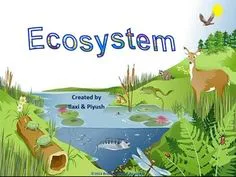
Ecosystems Round 2 Earth Sciences Quiz Quizizz
How do abiotic factors affect biotic factors in an ecosystem.

. Food shelter water and sunlight are just a few examples of limiting abiotic factors that limit the size of populations. R abbit populations are restricted by traits like food availability and predation. What are limiting factors.
How abiotic factors affect population. For example within a population of foxes there is enough space and water for 20 individuals. The abiotic factors will define which organisms are able or not to live in a specified place.
What are abiotic limiting factors. A biotic factor is a living organism that shapes its environment. Limiting factors can be any abiotic aspect of an organisms habitat or any biotic factor of their ecosystem like food resources or interactions with other species.
Abiotic factors such as temperature light and soil can influence a species ability to survive. B The population will. Density-dependant factors can have either a positive or a negative correlation to population size.
Food is simple enough to understand. Which of the following is the best example of a limiting factor for a rabbit population. Which best describes an abiotic limiting factor in a population.
Which best describes how the deer population will change as a result of clearing the land to build. See also why do some minerals attract magnets. Limiting Factors are biotic or abiotic factors which limit the carrying capacity.
In a desert environment these resources are even scarcer and only organisms that can tolerate such tough conditions survive there. They help determine the types and numbers of organisms able to exist within an environment. Factors that limit one population in a community many also have AN.
Invasive weed species Seed dispersal by wind Availability of soil minerals Disease-causing fungal spores. In this circumstance the limiting factor is. Ecosystems Round 2 DRAFT.
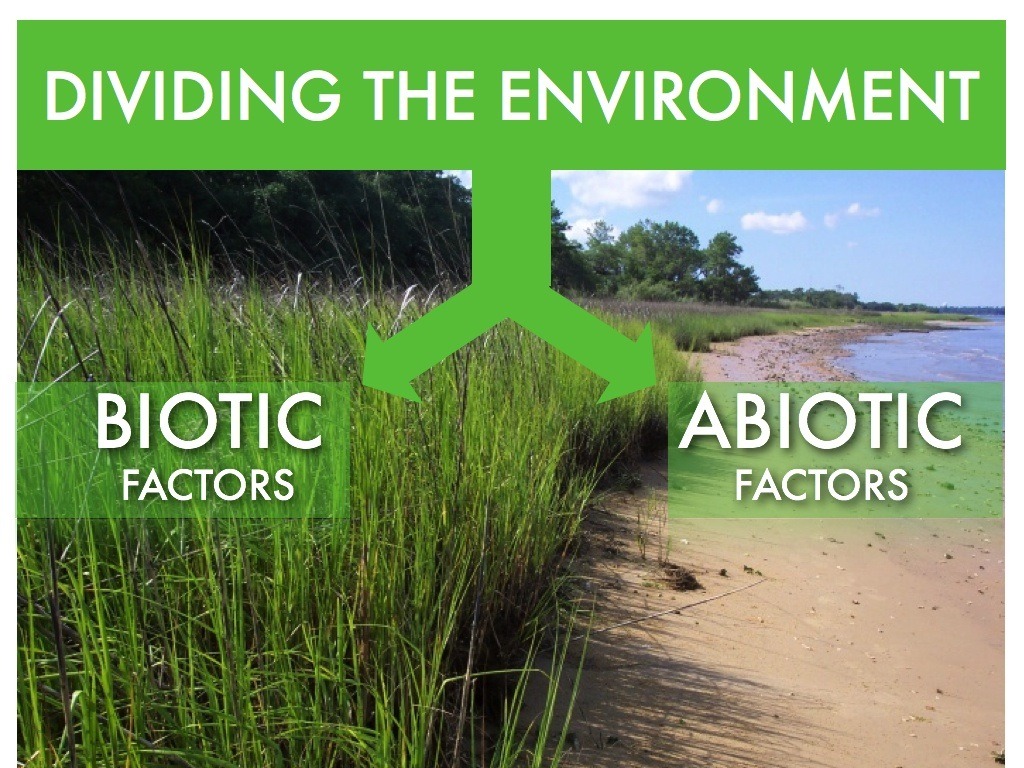
Abiotic factors are also referred to as abiotic components and they may include. Limitations to population growth are either density-dependant or density-independent. Other limiting factors like competition for resources.
What are the biotic and abiotic factors that limit population size. Among the exposed options the best term to describe a limiting factor of population size is option A. Abiotic limiting factors restrict the growth of populations.
Asked Sep 13 2016 in Environmental Atmospheric Sciences by PSG10. Food shelter water and sunlight are just a few examples of limiting abiotic factors that limit the size of populations. Limiting factors may be biotic such as the availability of food or abiotic such as access to water.
Similarly how abiotic factors affect an ecosystem. In a desert environment these resources are even scarcer and only organisms that can tolerate such tough conditions survive there. Which of the following is an abiotic factor limiting this squirrel population.
What term best describes. The living organisms will constitute the biotic factors which. Both biotic and abiotic factors affect population.
You are a scientist observing rodents on the Galapagos Islands. A squirrel population in an oak forest in Indiana is limited by hawk predators the amount of acorns produced annually nesting sites in the trees and cold winter temperatures. Diseases and parasites are more easily transmitted in larger populations.
Food shelter water and sunlight are just a few examples of limiting abiotic factors that limit the size of populations. A special type of abiotic factor is called a limiting factor. What are some limiting factors for the rabbit population.
Large blooms of algae on the surface of a lake keep which abiotic factor from reaching the bottom. This is because living organisms tend to depend on these factors for survival and normal functioning. If there is not enough food the population feeding on it will decrease.
The abiotic factors in an. However the population of rabbits has decreased and now can only sustain 15 individual foxes. BEST ANSWER GETS BRAINLIEST.
A The population will decrease. Maximum number of living organisms a given area can support at a specific time under specific levels of consumption without upsetting the ecosystem. Which best describes an abiotic limiting factor in a population.
Which of the following is an abiotic limiting factor for a plant population in an ecosystem. The biotic and abiotic factors that limit population size are space food shelter water climate competitive exclusion and temperature. A The hawks in the region B The number of acorns produced annually.
Limiting factors are environmental biotic or abiotic conditions that act directly on populations and individuals limiting their distribution and growth. The biotic and abiotic factors that limit population size are space food shelter water climate competitive exclusion and temperature. In the process of clear cutting plant diversity decreases and some.
The availability of water. Some abiotic limiting factors affect members of a population because of the population density. Which statement best describes the predator-prey relationship displayed on this graph.
Which is an abiotic factor that would affect the growth of a population within an ecosystem. All the biotic and abiotic factors and the interactions among them in a given area. Clear cutting of old growth forests in Oregon provides lumber for housing.
Consider the following scenario. What factors can limit population size. Which are the biotic factors.
In the natural world limiting factors like the availability of food water shelter and space can change animal and plant populations. Having to do with living or once-living organisms. Different species may have different ranges of tolerance.
Describe the limiting factors that can affect carrying capacity. Which of the following is an abiotic factor limiting this squirrel population. A limiting factor is any factor that places an upper limit on the size of a population.
You notice that the introduction of new bird of prey has limited the number of rodents. More individuals mean increased competition for the food that is available. These things include disease food supply and increased predation.
Density-dependent factors include disease competition and predation. However other limiting factors require further.

Ecosystems 8 L 3 Quizizz
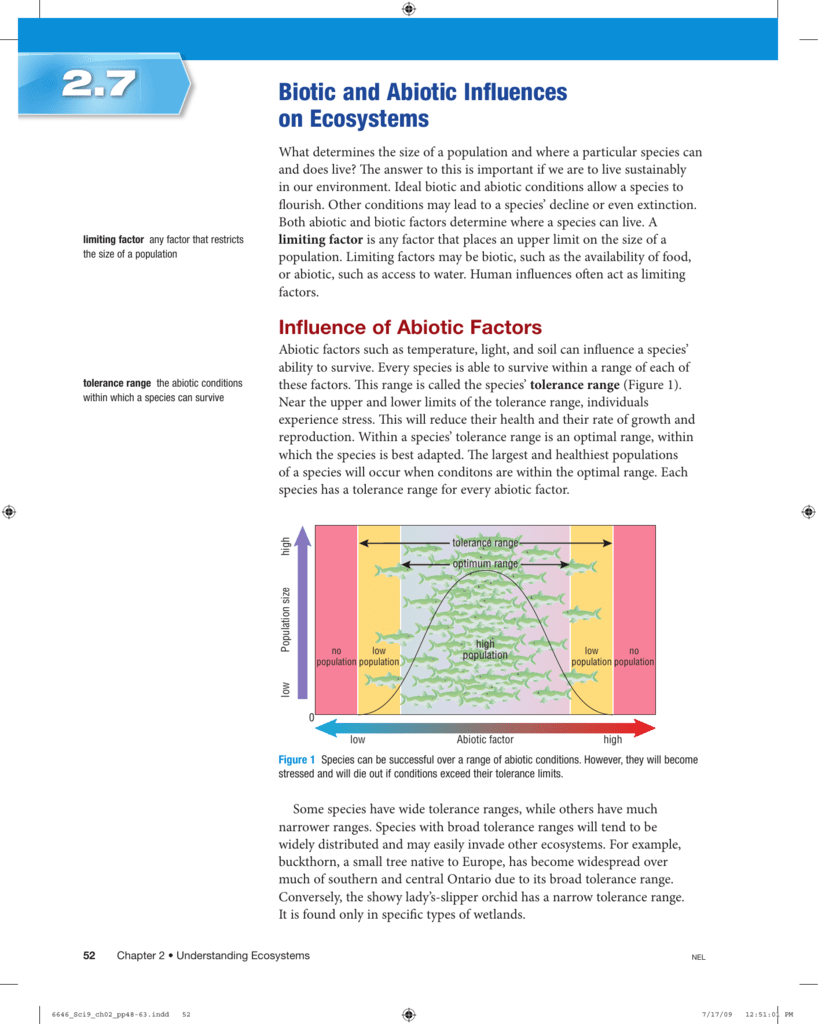
Biotic And Abiotic Influences On Ecosystems

African Lions Modeling Populations Ap Environmental Science High School Science Stem Resources
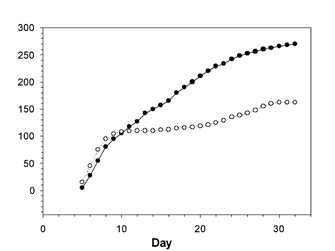
Population Limiting Factors Learn Science At Scitable

Chapt46 Strive Studios

Chapter 4 Population Ecology Review Quiz Quizizz
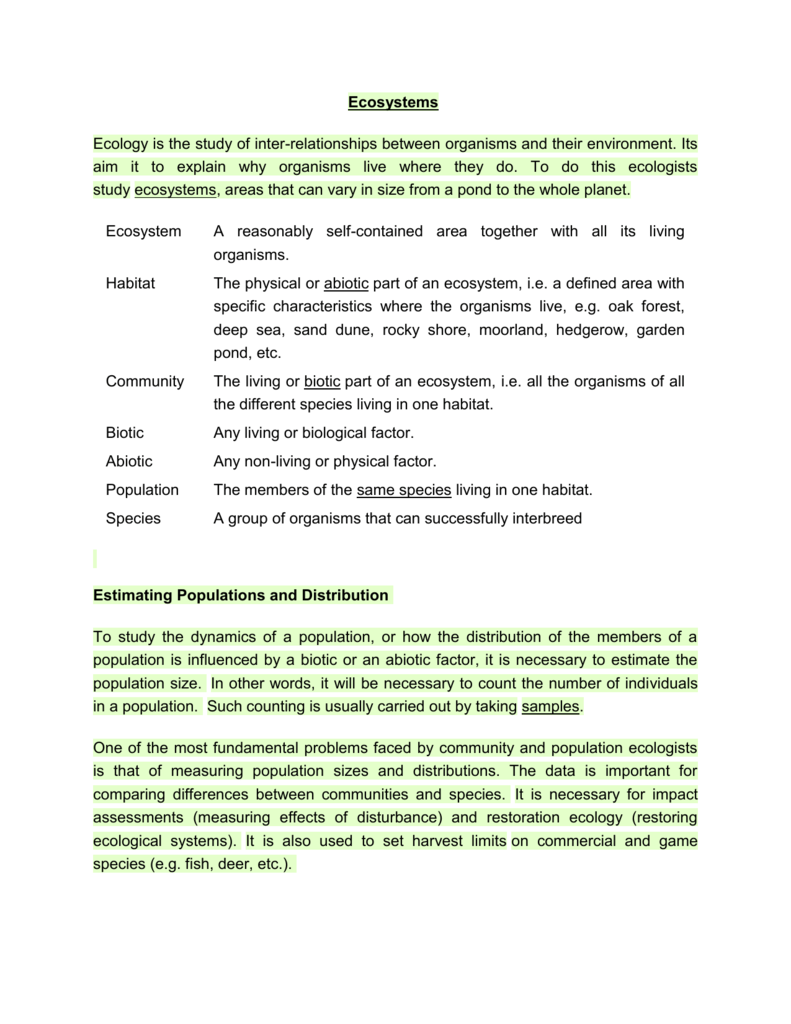
Population Ecology
Limiting Factors Other Quiz Quizizz
Biotic And Abiotic Factors Environment Quiz Quizizz
No comments for "Which Best Describes an Abiotic Limiting Factor in a Population"
Post a Comment